Designing Dream Invitations with Hand Drawn Elements
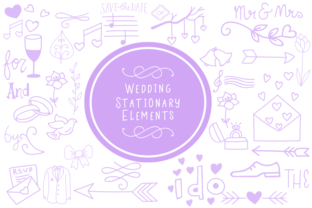
There’s a particular kind of magic that happens when you hold a wedding invitation that feels personal, tactile, and genuinely crafted with care. In a world of digital everything, that tangible, handmade quality stands out. For designers, stationers, and creative couples, achieving this aesthetic used to mean commissioning expensive custom illustrations or spending hours with a pen and scanner. Today, a new wave of design assets is changing the game, offering the charm of hand drawn art with the flexibility of digital files. A thoughtfully curated collection of Wedding Stationary Elements can become the cornerstone of an entire event’s visual identity, from the first save-the-date to the final thank-you card.
More Than Just Clipart: The Anatomy of a Cohesive Suite
What sets a professional design asset apart from a simple download? It’s cohesion and versatility. A premium collection isn’t just a random assortment of floral sprigs and borders. It’s a carefully designed system. Imagine a bundle featuring 161 individual pieces—delicate botanicals, elegant monograms, subtle textures, and versatile frames—all drawn in a consistent hand. This consistency is your secret weapon. It allows you to build a complete wedding stationery suite where the invitation, RSVP card, details card, and envelope liner all speak the same visual language. The result is a level of polish and intentionality that instantly elevates the perceived value of the event, making it feel meticulously planned and deeply personal.
The true power lies in the mix-and-match potential. You might combine a flowing script font with a specific floral corner element for the main invitation, then use the same botanical motif as a subtle watermark on the ceremony program. This approach to modern typography and illustration isn’t just about making things look pretty; it’s about visual consistency and brand recognition for the event itself. Every piece reinforces the central aesthetic, creating a seamless experience for guests from the moment they open the envelope.
Unlocking Creative Potential: From Paper to Pixels
While designed for wedding invitations, the applications of these hand drawn elements stretch far beyond the envelope. For the small business owner or creative entrepreneur, this kind of asset is a goldmine. Consider a boutique bakery: the same delicate floral illustrations could grace packaging labels, social media headers for a seasonal promotion, and even the design of a loyalty card. A blogger could use the elements to create consistent featured images, Pinterest pins, or a beautiful email newsletter template, reinforcing their brand identity with every post.
For graphic designers and marketers, these assets solve common creative challenges:
- Social Media Graphics: Quickly create elegant Instagram Stories, Facebook banners, or Pinterest pins that stand out in a crowded feed. The transparent PNG backgrounds make layering a breeze.
- Packaging Design: Add a touch of artisan charm to product labels, box sleeves, or tissue paper patterns for a cohesive unboxing experience.
- Print Materials: Design sophisticated business cards, thank-you notes, or promotional posters with a unique, handcrafted feel that generic stock art can’t match.
- Digital Products: Enhance the covers of eBooks, worksheets, or online course materials, giving digital products a premium, tangible quality.
- Website and Blog Accents: Use elements as decorative borders, background patterns, or icon replacements to soften a digital interface and add personality.
The key is to think of these not as one-off images, but as a flexible design asset library. The mix of SVG, EPS, JPG, and PNG formats means they’re ready for both print and digital projects. The 300 DPI, high-resolution PNGs are particularly crucial for any physical print work, ensuring your designs are crisp and professional whether they’re on a delicate invitation or a large-format poster.
Practical Advice for Seamless Integration
Having a beautiful collection is one thing; using it effectively is another. Here’s how to get the most out of your investment. First, always start with the project’s goal. Is the vibe romantic and classic, or modern and minimalist? Let that guide which elements you select. A cluster of peonies and a ornate frame might suit a formal affair, while a single sprig of eucalyptus and a simple border could be perfect for a casual garden party.
Next, consider font pairing. This is where your design sensibility shines. A script font or handwritten font for the names adds personality, but it should be balanced with a highly legible sans serif font or clean serif font for the details like date, time, and location. The goal is readability. Never sacrifice clarity for style. Test your combinations at the actual size they’ll be viewed—a script that looks beautiful at 72pt on your screen might become an illegible squiggle at 12pt on an RSVP card.
Finally, review the licensing. For personal projects like your own wedding, standard licenses are usually sufficient. However, if you’re a designer creating a suite for a client, or a business owner using the elements on merchandise for sale, you’ll need to ensure you have the appropriate commercial font and asset license. This is a non-negotiable step for professional use, protecting both you and the original artist.
Elevating the Everyday
The appeal of hand drawn Wedding Stationary Elements ultimately lies in their ability to inject warmth and authenticity into any project. They bridge the gap between the efficiency of digital design and the soulfulness of handcraft. For the couple, it means invitations that tell their story. For the entrepreneur, it means building a brand identity that feels approachable and distinct. For the designer, it means having a versatile toolkit to solve creative briefs with elegance and speed. In a marketplace saturated with clean, vector-only graphics, the organic, imperfect lines of a hand drawn element provide a refreshing point of difference—a small detail that makes a significant impact on audience engagement and the overall perception of care and quality.