Soft Blooms and Brushstrokes: Creating Elegant Wedding Designs
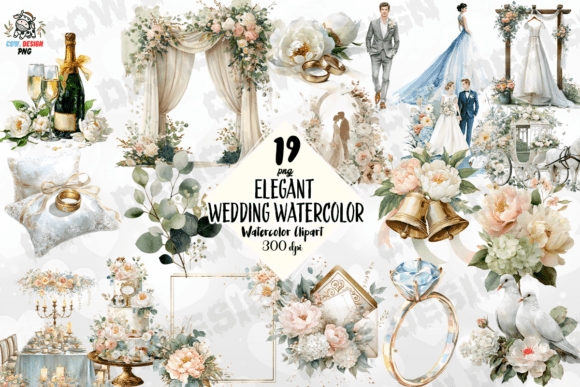
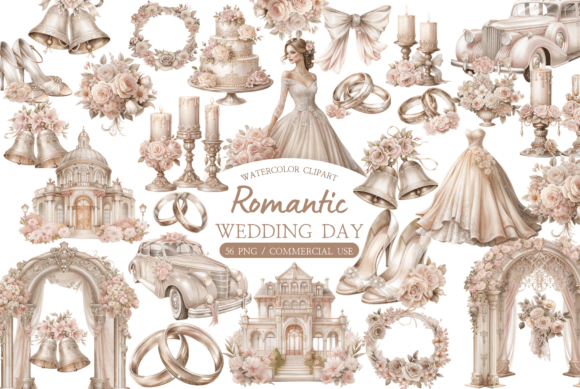
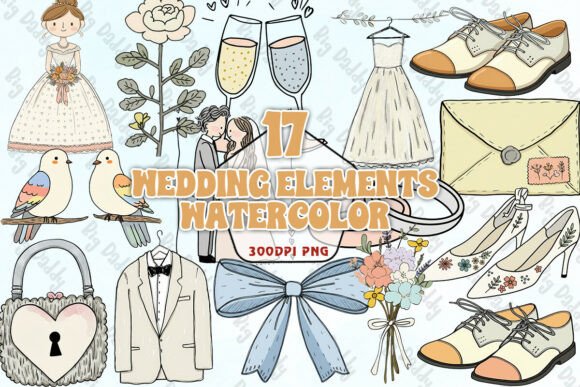
The aesthetic of a wedding often hinges on the delicate balance between tradition and personal expression. When you are designing assets for this significant event, the texture and warmth of your graphics play a massive role in setting the emotional tone. A digital asset that captures the fluidity and romance of hand-painted art, specifically a Wedding Elements Watercolor PNG, provides a versatile foundation for creating stationery and decor that feels both organic and polished. These collections typically feature hand-painted florals, soft leaves, delicate ribbons, and abstract shapes that mimic the behavior of pigment on paper. For designers and small business owners, having access to these high-quality elements is not just about decoration; it is about injecting a human touch into digital and print projects. The soft edges and color bleeds characteristic of watercolor artwork offer a gentle alternative to the rigid geometric shapes often found in modern design, allowing for a more romantic and approachable visual language.
Understanding the Technical Foundation
Before diving into creative applications, it is crucial to understand the specifications that make these design assets professional-grade. A standard high-quality Wedding Elements Watercolor PNG file usually comes with specific dimensions intended for print production. For instance, a file that is 4500 x 5400 pixels at a resolution of 300 DPI is built for serious output. This high resolution ensures that the artwork remains crisp and clear even when scaled up for large format printing. The "300 DPI" specification is the industry standard for physical products, preventing the pixelation or blurriness that often plagues lower-quality web graphics when printed on physical goods.
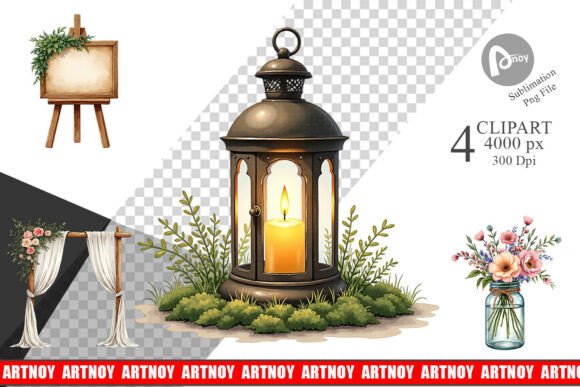
Furthermore, the PNG format is vital for versatility. Unlike JPEGs, which compress images and introduce a white background, PNGs support transparency. This means the watercolor elements are "cut out" from the background. You can layer a painted peony over a dark navy blue invitation suite or place a watercolor ribbon on top of a textured kraft paper background without worrying about unsightly white boxes framing your artwork. This transparency allows these elements to blend seamlessly into any design environment, whether digital or physical.
Practical Applications for Physical Products
For entrepreneurs running print-on-demand services or crafting handmade goods, the utility of watercolor elements extends far beyond paper. Because these files are high-resolution, they are perfect for sublimation products. Sublimation printing requires high-quality source images to ensure the ink transfers correctly onto polyester or polymer-coated surfaces. You can use these watercolor graphics to create stunning visual products such as:
- Apparel and Accessories: Designing tote bags, throw pillows, or t-shirts with soft floral motifs.
- Drinkware: Creating custom mugs and tumblers where the artwork wraps around the curve.
- Stationery: Printing high-end stickers, planner dashboards, and scrapbook embellishments.
- Home Decor: Producing framed art prints or canvas gallery wraps that serve as wedding gifts or home accents.
The ability to print on physical products without losing quality is what separates amateur crafting from professional merchandise. When you apply a watercolor element to a ceramic mug, the soft gradients need to remain smooth. High-resolution assets ensure that the final product looks exactly as it does on your screen, maintaining the integrity of the brushstrokes.
Enhancing Digital Presence and Branding
In the digital realm, watercolor elements are powerful tools for brand identity. If you are a wedding planner, a florist, or a calligrapher, your visual branding needs to communicate elegance and creativity. Incorporating watercolor textures into your website headers, social media graphics, and blog post images creates a cohesive look that signals a specific aesthetic to your audience.
For social media marketing, specifically on platforms like Instagram and Pinterest, visual consistency is key. Using a set of matching watercolor elements allows you to create templates that are instantly recognizable. You might use a soft watercolor wash as a background for text overlays on Instagram Stories, or frame your portfolio images with painted eucalyptus leaves. This approach not only saves time during content creation but also builds brand recognition. When your followers see that specific shade of dusty rose or that distinct brushstroke style, they immediately associate it with your business.
Design Versatility and Composition
One of the greatest strengths of using individual PNG elements rather than a static background is the ability to customize composition. You are not locked into a single arrangement. Instead, you can act as the florist, arranging digital bouquets and wreaths to fit the specific dimensions of your project.
Consider the process of designing a wedding invitation suite. You can start with a blank canvas and build the design layer by layer. Perhaps you place a cluster of watercolor flowers in the top left corner and a matching set in the bottom right to create a balanced frame for the typography. Alternatively, you might use a single large floral element as a focal point and build the text layout around it. This flexibility is essential for creating unique designs that don't look "templated."
When pairing these graphics with text, consider the contrast between the organic nature of the watercolor and the structure of the typography. Script fonts often pair beautifully with watercolor elements because they share a similar flow and hand-made quality. However, a clean sans-serif font can provide a modern, grounding contrast that makes the design feel fresh and legible. The key is to ensure the text remains the hero of the message while the watercolor elements provide the atmosphere.
Streamlining Workflow for Professionals
Time is a valuable resource for any creative professional. Having a library of pre-made, high-quality watercolor elements significantly speeds up the design workflow. Instead of painting every element from scratch or searching for stock photos that might have licensing restrictions, you can drag and drop these PNG files directly into your design software, such as Adobe Photoshop, Illustrator, Canva, or Procreate.
This efficiency allows you to take on more clients or focus on the strategic aspects of your business. For example, if a client requests a "boho-chic" theme, you can quickly assemble a mood board and initial draft using your watercolor library. If they prefer a "classic romantic" look, you can swap out the specific floral elements while keeping the same layout structure. This modular approach to design is not only efficient but also scalable.
Final Thoughts on Quality and Selection
When sourcing design assets, the quality of the source file dictates the quality of the final product. Investing in premium assets ensures that you have the commercial licensing required to sell your creations legally and the technical specifications required to produce professional work. A robust collection of watercolor elements serves as a toolkit for endless creative possibilities, allowing you to adapt to various trends and client preferences while maintaining a high standard of visual excellence. Whether you are designing a wedding suite or branding a lifestyle blog, these artistic assets bridge the gap between digital convenience and traditional artistry.